„…Hittem én, ifjan, hajdanában, málnát főzni könnyedén fogok…”
Cukorral, fűszerrel, festékkel kevertem. Kutyultam, kevertem, kevély bűnökbe estem.
Rá kellett jönnöm -akár Süskind regényében- az illat ellopható. Csakhogy a szüzekkel szemben a málnáé illékonyabb. Ha cukor, ha fűszerek, ha pektin, ha az égés gyenge karamellje, ha fahéj, akárha vegyszerek; a málna szellőíze ettől csendben szendereg.
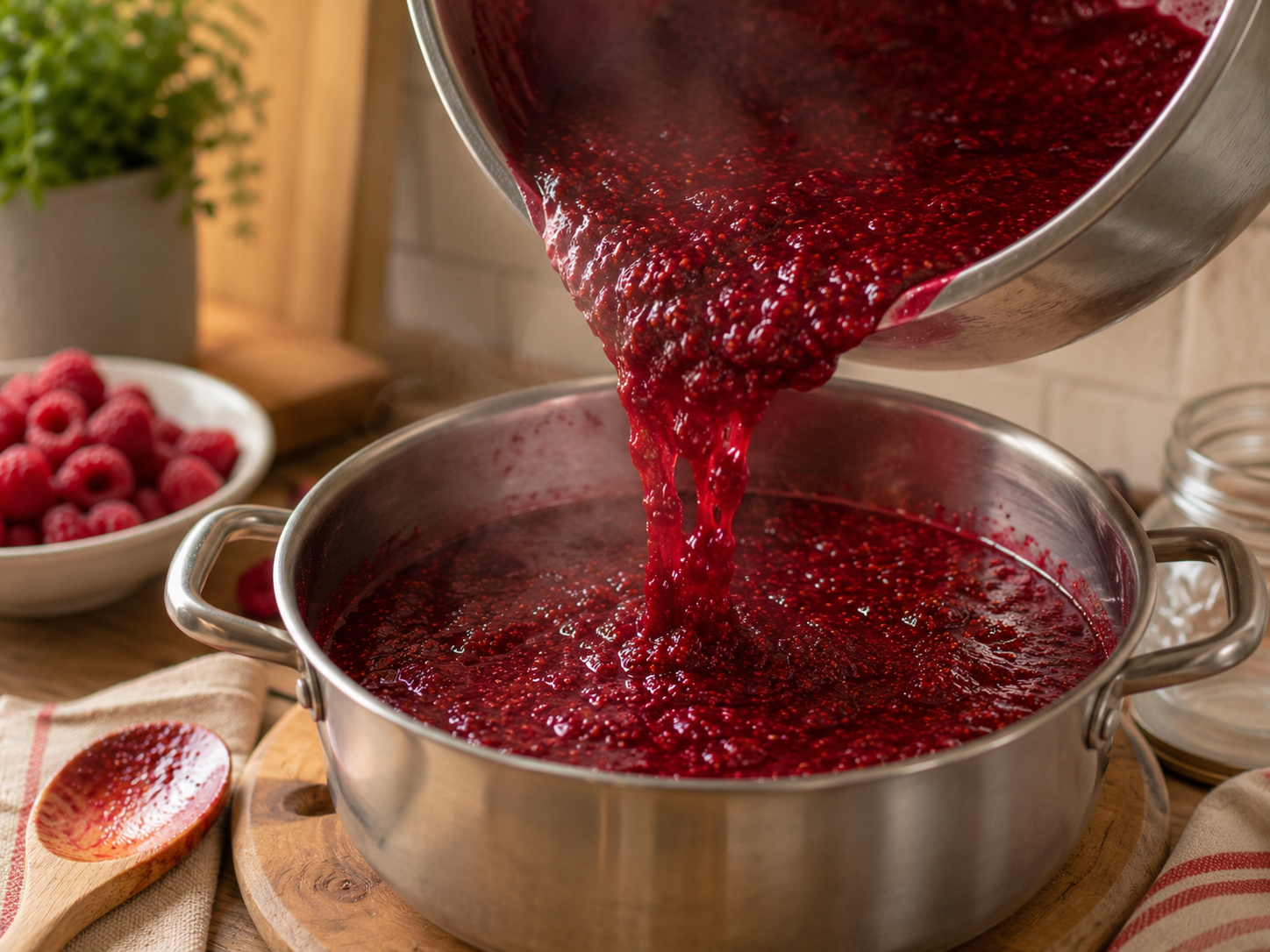
Alázat! Türelem. Abból sose sok! Nem forrhat, nem sülhet. Alacsony lángon el nem töpörülhet. Ki kell várni, míg a tempót a málna lényege, illata, íze mondja meg!
Eső volt délben? Híg lesz a málna! Nem ér rá úgyse! Leszedem? Ha nem, várja reggel a hangya lakomája.
Mosnád, ami hullott? Ne tedd: bazsalikom -módra vetemedhet! (meg hát: ott a málna hője a fazékban; kevés marad rajta, az meg úgyis földből vétetett. Fogadd be azt is!)
A kézfogó előtt kezedet mosd, üveged főzd, tisztába tedd a nász előtt! (Rosszul hangzik, de jó a vége! Így lehetsz bölcs, ha húznád még a nászt!!)
Ekkor szép Csipkerózsát üvegkoporsóban zárd!
Várja a Békés Feltámadást Gyerek, macska, Anyuka (Apuka).
Sebaj!
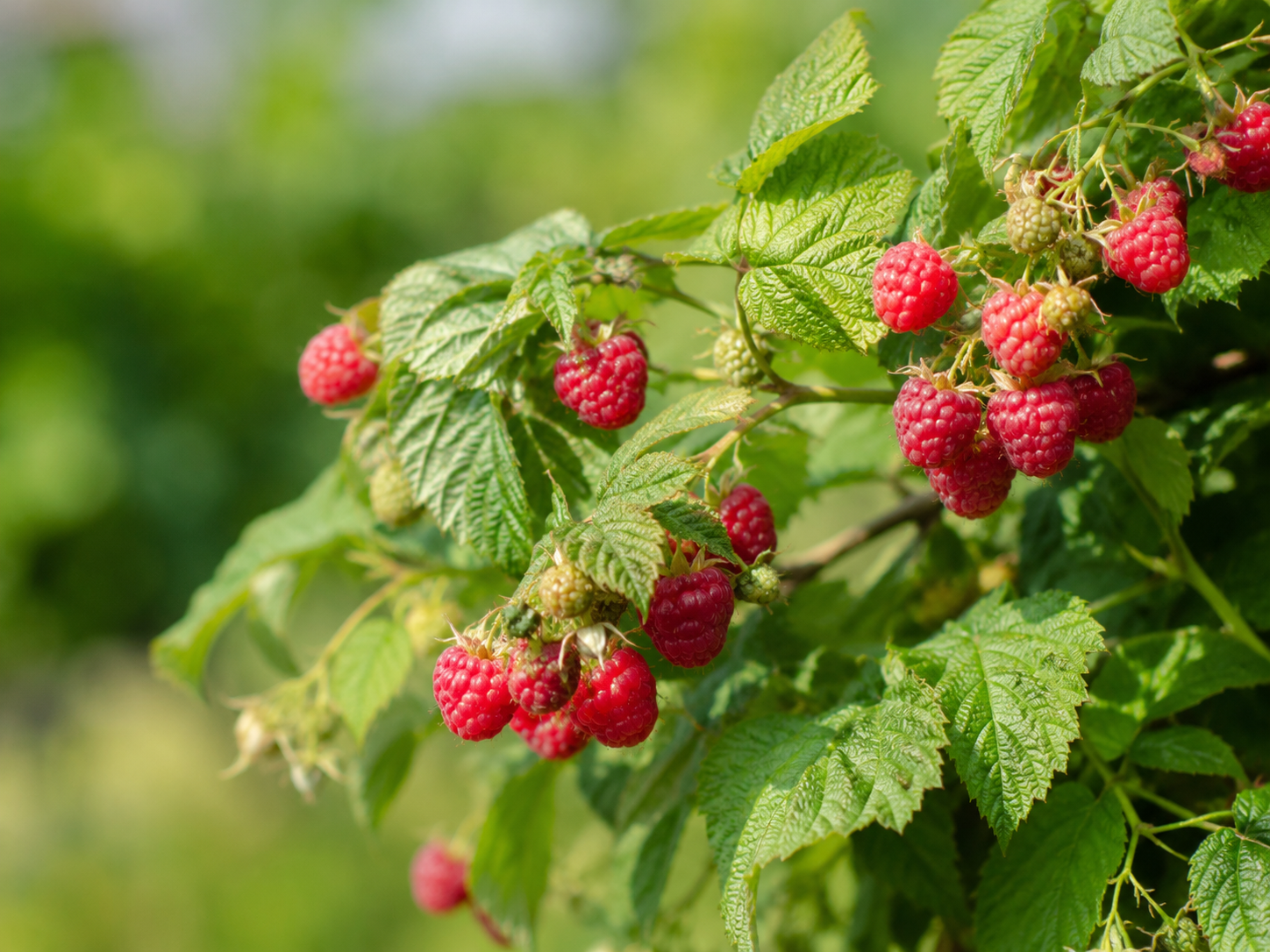
No és, hol vagyok ebben én, a Szatír?
A Málnaevő Mindenkiben vagyok, a pocakotokban. Onnan kukkolok, tanultatok -e szeretni! Osztozni! Más kalácsát vajazni, arra rá a málna… Mosolyogni, nevetni…
Hétköznapi reggel.
olyan… átlagos féle…ugye…
“Hátakkorhölgyeimésuraim”! Kíváncsi lennék!
Maradok:
Szatír Bűntárs
(Fényes tisztelettel!)
Abstract
This piece turns the making of raspberry preserve into an image of patience, humility, and sensual perception. Through the self-ironic figure of the “Satyr”, the writer recalls an earlier habit of believing that raspberries could be easily tamed, processed, and preserved by means of sugar, spices, additives, and technical tricks. Experience, however, teaches otherwise: the essence of the raspberry — its fragrance, lightness, and fleeting, wind-borne flavour — cannot be forced, stolen, or kept alive through overthinking and overworking.
The text sets haste, manipulation, and culinary vanity against restraint, ritual purity, and attentiveness to the natural rhythm of things. The raspberry yields its true self only when the maker does not seek to dominate it, but waits until the fruit itself dictates the pace. In this sense, jam-making is not merely a kitchen procedure, but a form of initiation: a trial in recognizing that precious things are preserved not by force, but through attention, moderation, and humility.
Through fairy-tale, religious, erotic, and literary allusions, the raspberry becomes at once food, memory, desire, and moral test. Whoever tastes it receives not merely a flavour, but may also be brought face to face with the question of whether they have learned to love, or merely wish to consume. The piece closes in a playful yet admonitory tone, speaking against gluttony, emotional coarseness, and insensitive possession, while affirming purity, patience, and loving receptiveness. It may also be read as a self-critical confession by the author: an admission that the raspberry — and perhaps every fragile form of beauty — reveals itself only to those who do not seek to conquer it, but to understand it.
 Velenceblog
Hozzászólás